



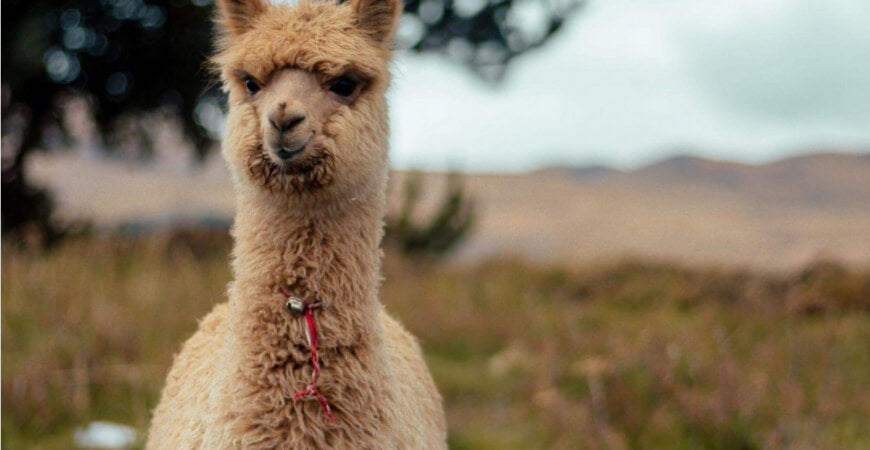
We all know sheep's wool and cashmere wool, but for a few years now, another type of wool has been making waves in the world of home decor and textiles.
You're probably familiar with our friends, the alpacas? Those adorable animals we all secretly dream of adopting. Besides being cute, they produce remarkable wool. Soft, light, and warm, alpaca fiber has all the characteristics needed to create luxurious and comfortable throws.
Where does alpaca wool come from?

Alpaca wool comes straight from the Andes, in South America. This rare fiber, once a sign of social status and reserved exclusively for nobility, is also called “gold of the Andes” by the Incas. It is harvested once a year during the alpacas' shearing.
Peru is the main producer of alpaca wool and, to say the least, Peruvians are traditionally attached to this animal. Alpaca wool is part of their culture and daily life.
But why has this exotic fiber captivated the entire world?
A fiber renowned for its exceptional warmth
One of the main qualities of this wool is its remarkable insulating capacity. The alpaca lives at high altitudes (between 3000 and 4500 m) and withstands extreme weather conditions. Temperatures can sometimes swing from -20 to +30 degrees in the same day!
The alpaca's highly insulating fleece allows it to adapt to these temperature changes and survive in these conditions.
Alpaca wool is even warmer than sheep's wool! No wonder then that it is so prized for making throws.
As you can see, adopting an alpaca throw means you'll never be cold again.

Warm, yes... But also thermoregulating! As we mentioned above, the alpaca adapts remarkably well to temperature changes. How does it do it? Well, its wool is very “breathable”. It is composed of micro-air bubbles that perfectly regulate temperatures. Yes, we know, it sounds magical, but it's physics. When temperatures are cool, these air bubbles trap body heat to keep us warm. When the weather gets milder, they allow the fiber to "breathe" so as not to retain too much heat.
Ultimately, this almost magical fiber keeps you warm, without ever being too warm. Are you following? So you can enjoy your alpaca throw all year round, regardless of the season!
A light and extremely soft fiber
But the magic doesn't stop there! Alpaca fiber is renowned for its extreme fineness. This wool is lighter than many other types of wool, while being warmer. Again, one might wonder if the alpaca doesn't possess magical powers.
The alpaca throw provides a pleasant feeling of lightness and exceptional comfort. The weaving of this extremely fine fiber gives it an irresistible softness. This is also why it is often compared to cashmere.
A natural and resistant fiber
Alpaca wool is very resistant, even more resistant than sheep's wool. So you can enjoy the comfort of your alpaca throw for many years. A great investment to always have softness!
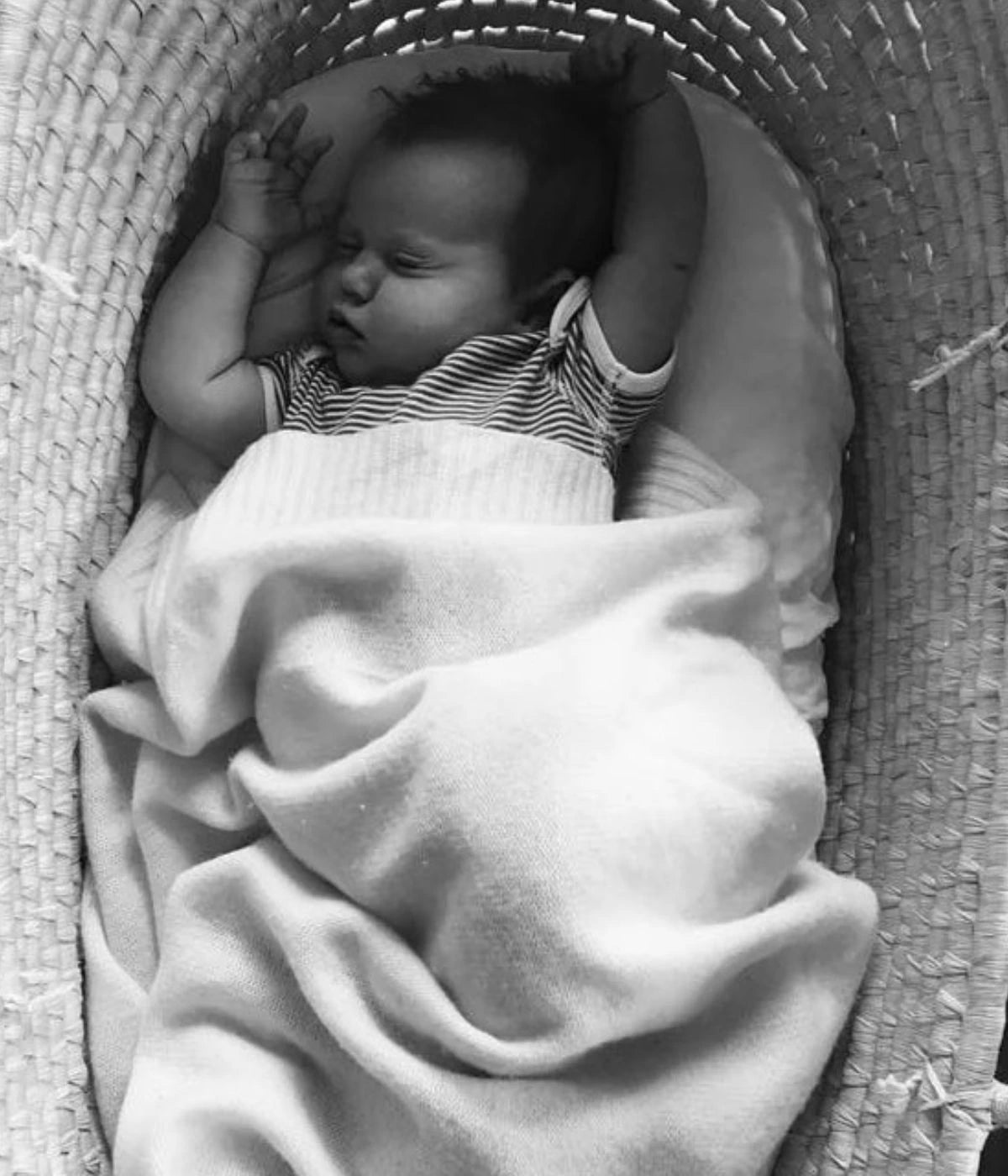
It is a natural fiber that is also hypoallergenic. It will suit people allergic to wool, as well as anyone with sensitive skin, like babies, so as not to deprive them of its softness.
Luxurious throws for elegant decor

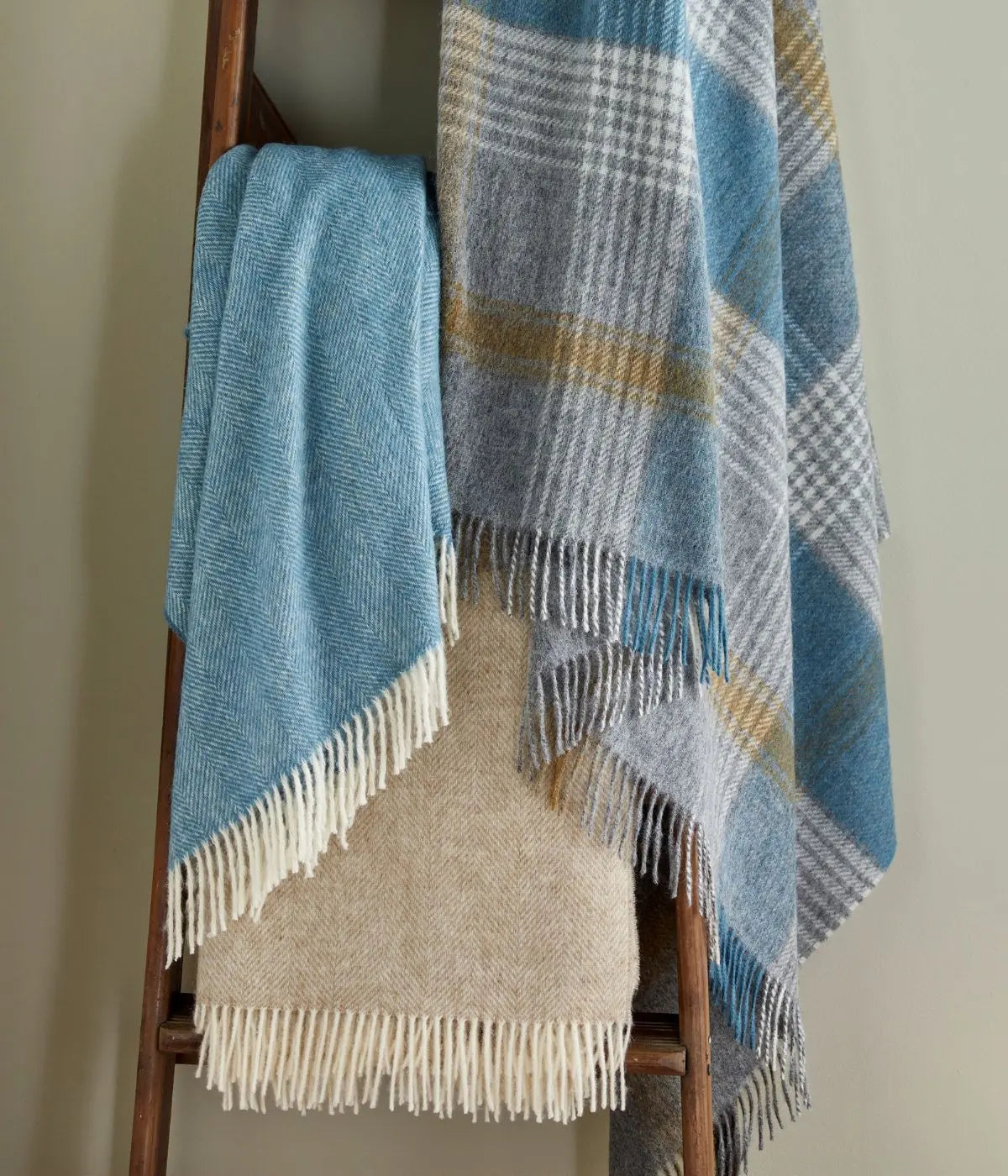
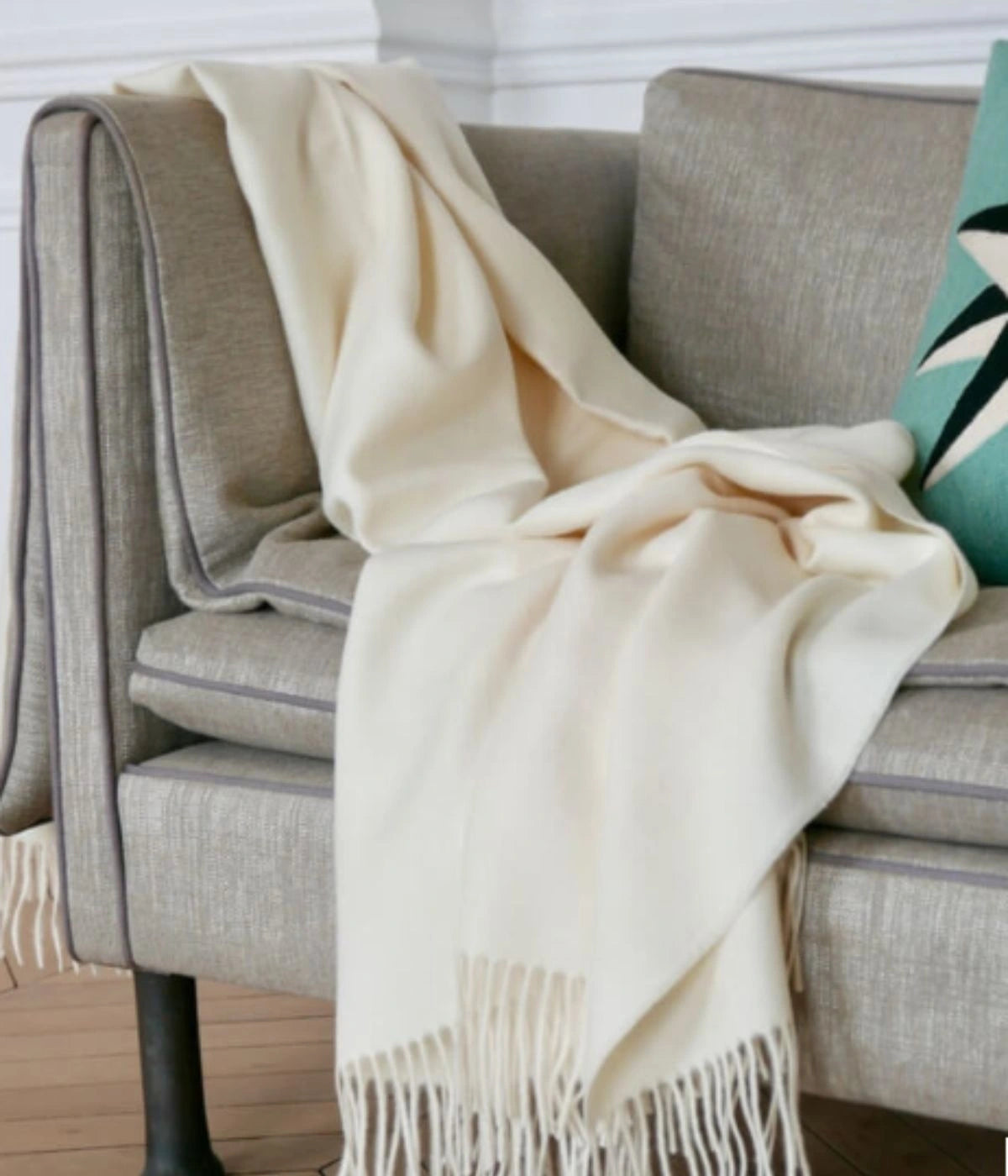
Alpaca wool allows for weaving fine throws with a supple and elegant drape. This fiber catches the light perfectly, providing a luminous and silky finish. Draped over a sofa or armchair, an alpaca throw instantly adds a chic and sophisticated decorative touch.
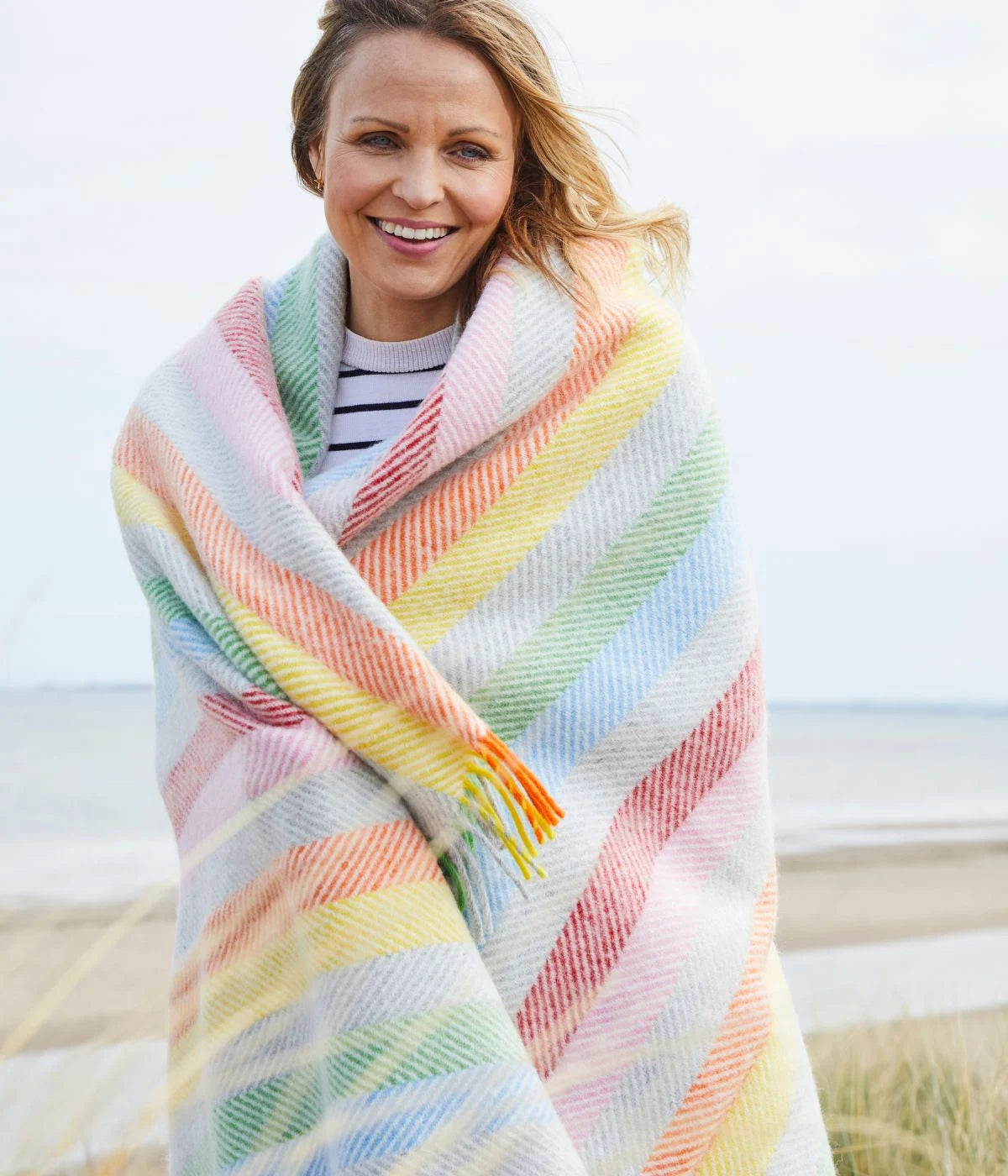
The baby alpaca throw is very pleasant to use. It is an ultra-cocooning accessory that delights the whole family. Let's face it, no one will resist the urge to snuggle up in it! This very elegant blanket can also be worn as a shawl at home or outdoors.
What does "Baby Alpaca" mean?

Baby alpaca wool is one of the softest on the market. At the risk of surprising you, the term "baby alpaca" does not necessarily refer to wool taken from a baby alpaca.
The term "baby alpaca" actually refers to the fineness of the wool. To be considered "baby alpaca" wool, it must be between 18 and 22 microns. This is an exceptional quality, considered the best alpaca wool.
This fiber can come from an adult alpaca with a fine fleece or from a baby alpaca. It is a very noble and rare wool, of exceptional fineness and softness.
What colors are available for a baby alpaca throw?
The color shades of alpaca wool are numerous. There are a total of 22! These range from white to black, including brown and beige. These neutral and natural shades offer many weaving possibilities, but it is entirely possible to dye this fiber to obtain throws in more vibrant colors, all while maintaining its silky and luminous appearance.
Environmentally friendly farming

Alpacas are primarily raised in the Andes, on small farms. They live in the wild, in the open air, in their natural environment, pampered by Peruvian farmers.
What do they eat? Grasses, found in their environment. Yes, they are not picky! And for the anecdote, they are careful to cut it with their teeth so as not to damage the landscape! Well-behaved animals!
Domestication is not harmful to alpacas or the environment. It is also the main source of income for many households in the country.
Giving a baby alpaca throw as a gift
The baby alpaca throw, like the cashmere throw, is often given as a gift for special occasions such as birthdays, weddings, or Christmas. It is a very refined gift that allows you to give softness to a loved one and always pleases. This cozy decorative accessory, which can also be transformed into a fashion accessory, will be a hit with everyone!
A beautiful off-white baby alpaca throw will look lovely draped over a woman's shoulders. A navy blue baby alpaca throw or black, on the other hand, will be ideal for perfecting a masculine decor. Finally, for color enthusiasts, opt for a beautiful baby alpaca throw in a vibrant color such as a lovely yellow, orange, or even turquoise.
We offer an exclusive collection of high-quality baby alpaca throws
Our throws are woven from 100% baby alpaca in Peru, in a spinning mill that has specialized in this wool for almost 100 years. We work with passionate producers who perfectly master the entire manufacturing process and who, like us, are very sensitive to the remarkable quality of this noble fiber.
n
Discover a selection of Baby Alpaca throws
n
